

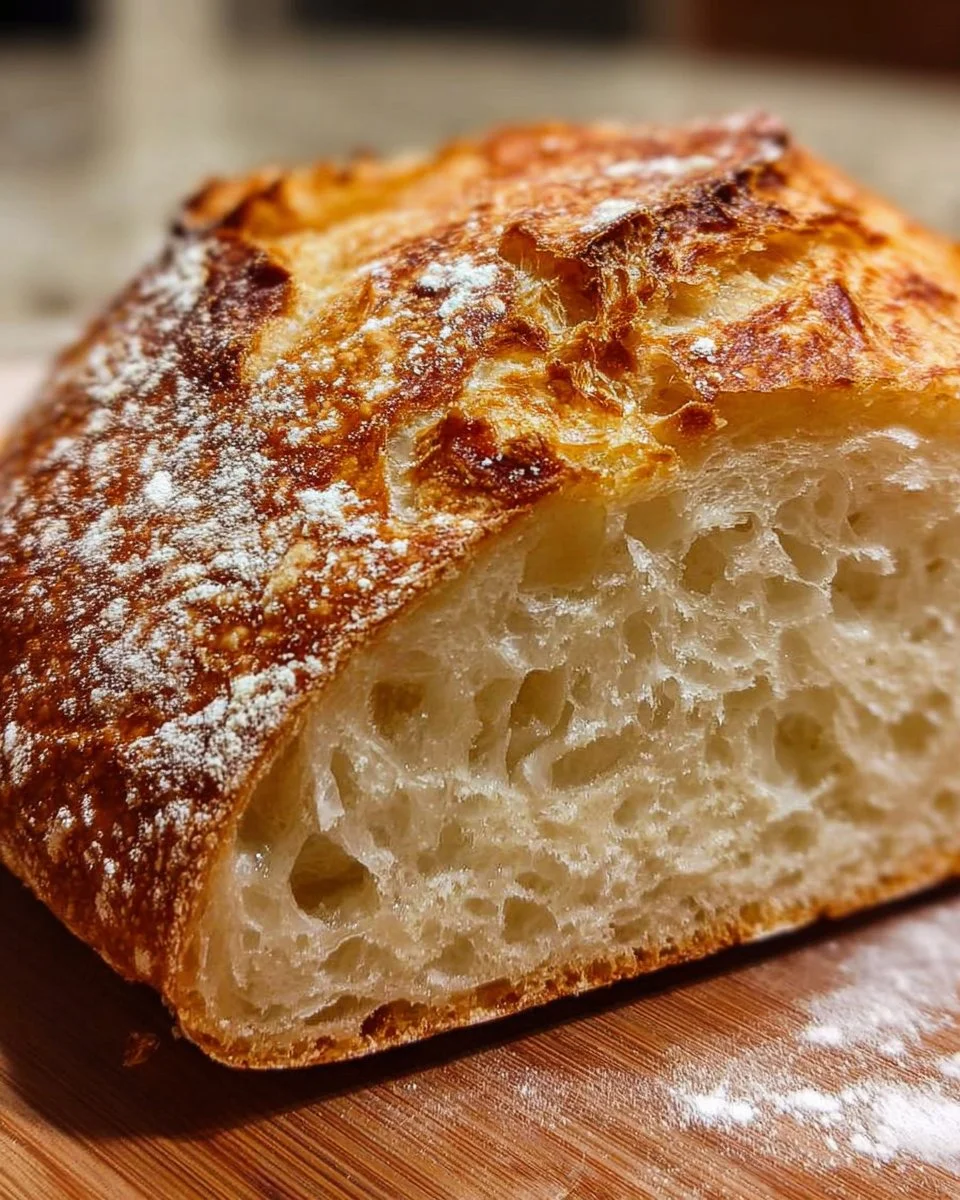
The aroma of freshly baked sourdough bread wafts through the air, its tangy notes mingling with the warmth of the kitchen. As you slice into the crusty exterior, the knife glides effortlessly, revealing a tender, airy crumb within. Tiny pockets of air celebrate every bite, allowing the sourdough to dance on your taste buds with its distinctive flavor—a perfect balance of mild sweetness and savory depth. Each piece bursts with a satisfying crunch, and the chewy texture invites you to savor each mouthful, promising a soul-warming experience unlike any other.
Imagine pulling this beautiful creation from your oven, the golden crust crackling as it cools. Its rustic charm speaks of craftsmanship and patience, echoing the joy of nurturing a sourdough starter over days, coaxing it to life. It’s more than just bread; it’s an act of love, a story told through flour and water, a treasure shared with family and friends. With a simple smear of butter or a dollop of homemade jam, each bite becomes a delightful moment that brings warmth to even the coldest of days.
Why You’ll Love This Sourdough Bread
Sourdough bread stands out as a beacon of comfort and creativity in the world of baking. The crunchy crust beckons, while the soft, airy interior captures hearts with its rich flavor. This bread is not just about sustenance; it’s an experience—perfect for lazy Sunday breakfasts, celebratory dinners, or even a cozy evening by the fire.
The fermentation process lends this loaf its unique tang, making it a healthier option that many find easier to digest. Not only does sourdough provide delightful flavors, but it also boasts versatility. Use it for a robust sandwich, serve it alongside soups and stews, or simply enjoy a slice toasted with melted cheese.
Preparation Phase & Tools to Use
Creating the perfect loaf of sourdough bread requires a few essential tools that streamline the process and ensure your success.
- Dutch Oven: This heavy pot retains heat and moisture, creating an ideal baking environment that yields a perfect crust.
- Mixing Bowls: Use these for combining and resting your dough. A glass bowl allows you to monitor fermentation easily.
- Bench Scraper: This handy tool helps manage the dough during shaping and handling.
- Kitchen Scale: For accurate measurements, a scale ensures consistency and precision in your baking.
Practical preparation tips enhance your baking journey, too. Take your time to nurture your sourdough starter; give it regular feedings and keep it in a warm spot. Measuring your ingredients by weight yields better results than volume alone. Additionally, a well-floured surface makes shaping the dough easier and more enjoyable, ensuring you don’t wrestle with sticky dough.
Ingredients for Sourdough Bread
- 3 cups all-purpose flour: This versatile flour forms the sturdy base of your bread. If you’re adventurous, try whole wheat flour for a heartier texture or bread flour for a bit more chewiness.
- 1 1/2 cups water: Vital for developing your dough. Adjust the temperature; warmer water speeds up fermentation, while cooler water slows it down.
- 1 cup sourdough starter: Your bread’s soul! Feed it before using for a more robust flavor. If you don’t have one, numerous recipes online will guide you in creating your own starter.
- 1 1/2 teaspoons salt: Enhances flavor and controls yeast activity. Experiment with different salts, like kosher or sea salt, for various flavor profiles.
How to Make Sourdough Bread
-
In a large mixing bowl, combine the flour, water, and sourdough starter. Stir until you achieve a shaggy dough, scraping down the sides of the bowl as necessary. Embrace the rustic texture!
-
Cover the bowl with a tea towel or plastic wrap and allow it to rest for 30 minutes. This process, known as autolyse, hydrates the flour and strengthens the dough.
-
After the rest, sprinkle the salt over your dough. Incorporate it by pinching and folding until the dough feels smooth and elastic. This may take a few minutes, but the rewarding texture is worth it.
-
Place your dough in a warm area, covered, to rise for 4-6 hours or until it has doubled in size. Trust your instincts; your dough will guide you!
-
Once doubled, gently turn the dough out onto a floured surface. Shape it into a loaf, taking care not to deflate it too much. Let it rise for another 1-2 hours until puffy and ready.
-
Preheat your oven to 450°F (230°C) with the Dutch oven inside to create a steamy oven environment for your bread.
-
Carefully remove the hot Dutch oven. Place your dough inside, cover it with the lid, and bake for 30 minutes.
-
Remove the lid and continue baking for an additional 15-20 minutes until the crust turns a beautiful golden brown.
-
Transfer the bread to a wire rack to cool before slicing. The wait may be tough, but trust me; the crunch will be worth it!
Chef’s Notes & Helpful Tips
- Make-Ahead Tips: You can make the dough the night before and let it rise in the fridge, slowing down fermentation for a rich flavor.
- Cooking Alternatives: If you don’t have a Dutch oven, try creating steam in your oven with a baking tray filled with water, or bake on a pizza stone.
- Customization Ideas: Add herbs, cheese, or nuts for extra flavor. Experiment with adding olives or sun-dried tomatoes for Mediterranean flair.
Common Mistakes to Avoid
- Over-kneading: Be gentle while working the dough to avoid tough bread. Aim for a smooth, elastic texture.
- Ignoring temperature: Dough needs warmth for fermentation. If your kitchen is chilly, find a cozy spot, like near a heater or in the oven (turned off!).
- Skipping proofing time: Rushing through the fermentation will leave you with dense bread. Patience is key!
What to Serve With Sourdough Bread
Sourdough bread shines in various scenarios, ready to elevate your meals:
- Soups: Pair with a rich tomato basil or a rustic chicken noodle; the bread absorbs flavors beautifully.
- Salads: Serve sliced with a zesty vinaigrette drizzled over mixed greens—a crunchy, flavorful pairing.
- Spreads: Slather with butter, jam, or homemade pesto for a simple yet delightful snack.
- Cheese: Build a cheese board with a variety of cheeses—sharp cheddar, creamy brie, or tangy goat cheese all complement the tang of the sourdough.
- Charcuterie: Serve alongside cured meats for a savory flavor explosion that warms the heart.
- Breakfast: Toast topped with avocado and a sprinkle of salt makes for a delicious morning treat!
Storage & Reheating Instructions
Keep your sourdough bread fresh by storing it in a paper bag at room temperature, ideally enjoyed within a few days. If you need longer storage, slice and freeze for up to three months. Reheating is simple; pop the bread in a toaster or warm it in the oven for that fresh-baked taste.
Estimated Nutrition Information
Approximate values per slice (1/16 of a loaf): Calories 120, Carbohydrates 22g, Protein 3g, Fat 1g, Fiber 1g. Keep in mind, these values can fluctuate based on ingredient brands and portion sizes.
FAQs
1. Can I use regular yeast with this recipe?
Yes, you can substitute about 1 teaspoon of instant yeast for the sourdough starter. However, you’ll miss out on that unique flavor that sourdough offers.
2. Why does my sourdough bread not rise?
If your bread fails to rise, it’s likely due to an inactive starter. Ensure your starter is bubbly and fed before use, as it’s the source of the yeast.
3. What if my dough is too sticky?
Dough can sometimes be a bit sticky, but avoid adding too much flour. Instead, use wet hands or a bench scraper to manage it without adjusting the recipe.
4. How can I achieve a more sour flavor?
For a tangier bread, feed your starter with whole grain flour, and allow it to ferment longer, increasing both the flavor and acidity.
5. Can I make sourdough bread without a Dutch oven?
Absolutely! Just ensure adequate steam in your oven, or use a baking stone and place a pan with water on the bottom rack to create steam while baking.
Conclusion
Baking sourdough bread is a journey, one that rewards you with the most satisfying, richly flavored bread imaginable. The act of nurturing your dough invites warmth to your kitchen and creates memories. So gather your ingredients, allow the magic of fermentation to unfold, and treat yourself and your loved ones to the joyous experience of homemade sourdough. Dive in, get your hands floury, and embrace the process! You won’t just make bread; you’ll create a tapestry of flavors that resonate with laughter, love, and comfort. Enjoy every delicious bite!
Print
Homemade Sourdough Bread
- Prep Time: 30 minutes
- Cook Time: 45 minutes
- Total Time: 75 minutes
- Yield: 16 servings 1x
- Category: Bread
- Method: Baking
- Cuisine: American
- Diet: Vegetarian
Description
A delightful and tangy sourdough bread with a crunchy crust and soft, airy interior.
Ingredients
- 3 cups all-purpose flour
- 1 1/2 cups water
- 1 cup sourdough starter
- 1 1/2 teaspoons salt
Instructions
- Combine the flour, water, and sourdough starter in a large mixing bowl, stirring until a shaggy dough forms.
- Cover the bowl and let it rest for 30 minutes to hydrate the flour.
- Sprinkle the salt over the dough and incorporate it by pinching and folding until smooth and elastic.
- Place the dough in a warm area to rise for 4-6 hours until doubled in size.
- Turn the dough out onto a floured surface, shape it into a loaf, and let it rise for another 1-2 hours.
- Preheat your oven to 450°F (230°C) with the Dutch oven inside.
- Carefully remove the Dutch oven, place the dough inside, cover it, and bake for 30 minutes.
- Remove the lid and bake for an additional 15-20 minutes until golden brown.
- Transfer the bread to a wire rack to cool before slicing.
Notes
For a richer flavor, make the dough the night before and refrigerate. You can also customize with herbs or cheese.
Nutrition
- Serving Size: 1 slice
- Calories: 120
- Sugar: 0g
- Sodium: 300mg
- Fat: 1g
- Saturated Fat: 0g
- Unsaturated Fat: 1g
- Trans Fat: 0g
- Carbohydrates: 22g
- Fiber: 1g
- Protein: 3g
- Cholesterol: 0mg